
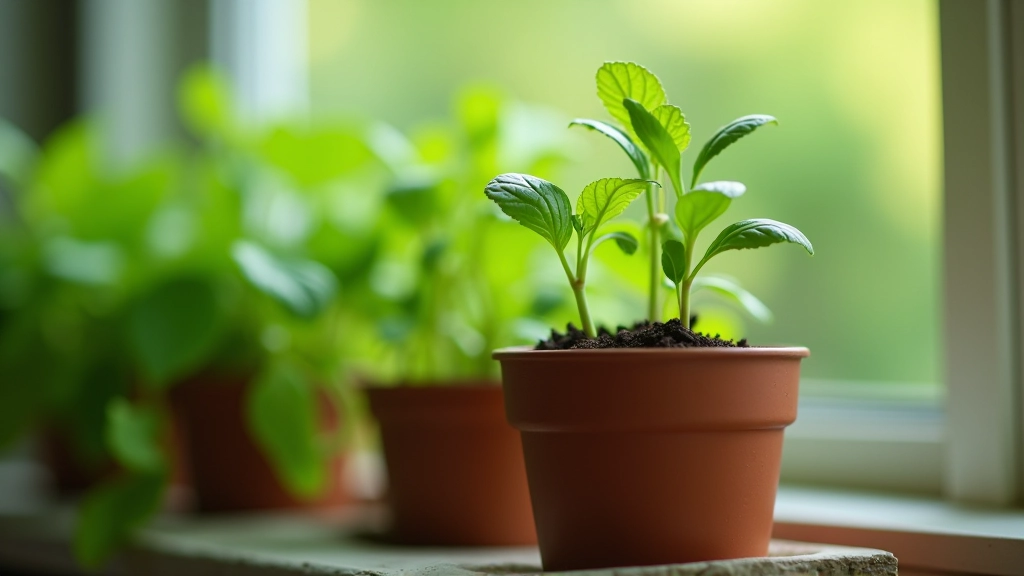
Choosing the Right Container and Soil Mix
Drainage holes matter more than you'd think. Here's what soil composition works best for different herbs.
Read morePicking leaves correctly encourages bushier plants. Learn when to harvest, how much to take, and techniques that keep your herbs producing for months.
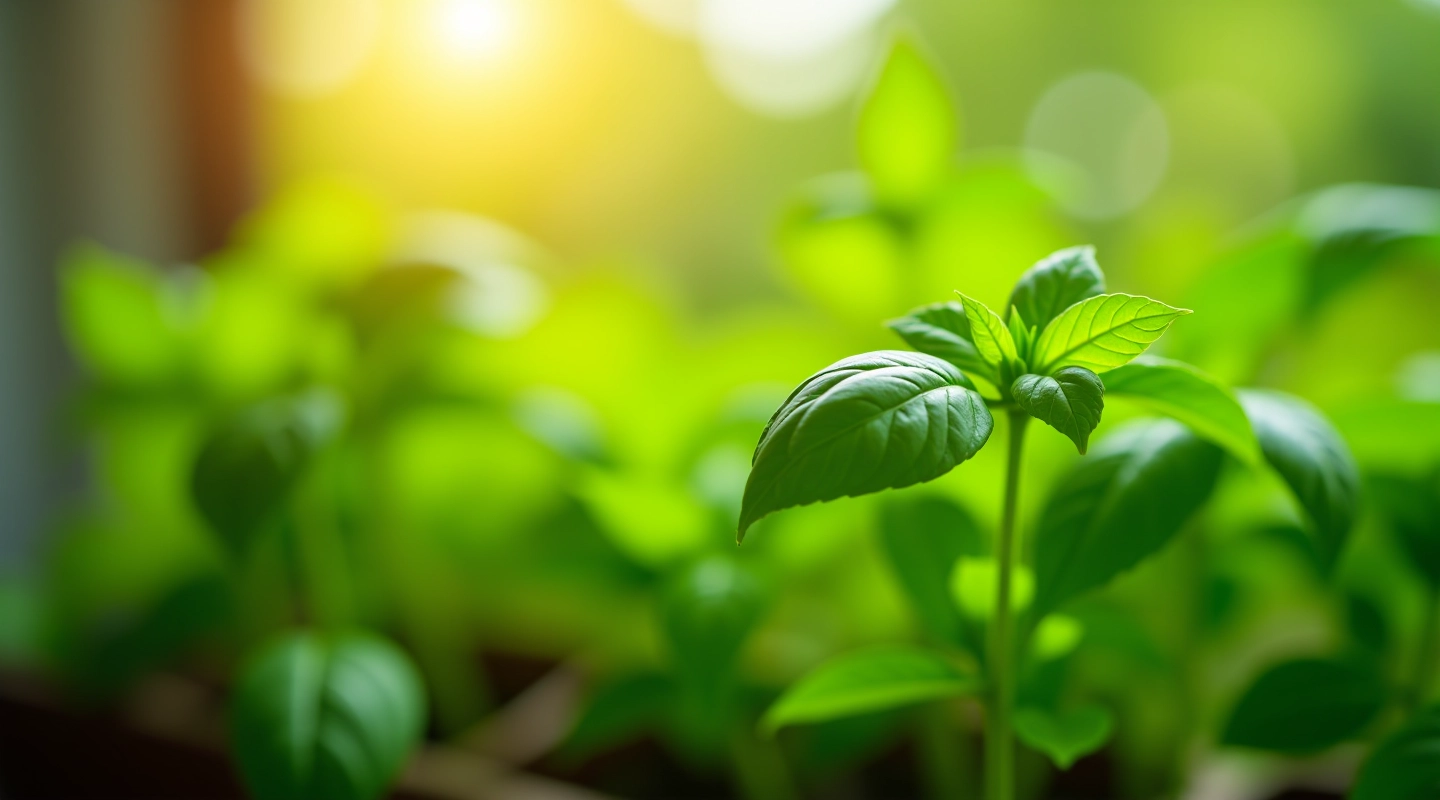
Most people don't realize that the way you pick leaves directly affects how your herb plant grows. It's not just about getting fresh basil for tonight's pasta — it's about training your plant to become bushier, stronger, and more productive over time.
When you harvest correctly, you're sending a signal to the plant: "Grow more branches here." Do it wrong, and you'll end up with a tall, spindly plant that gives you a handful of leaves before it gets leggy and weak. We'll walk you through the exact techniques that work, the timing that matters, and the common mistakes that hold people back.
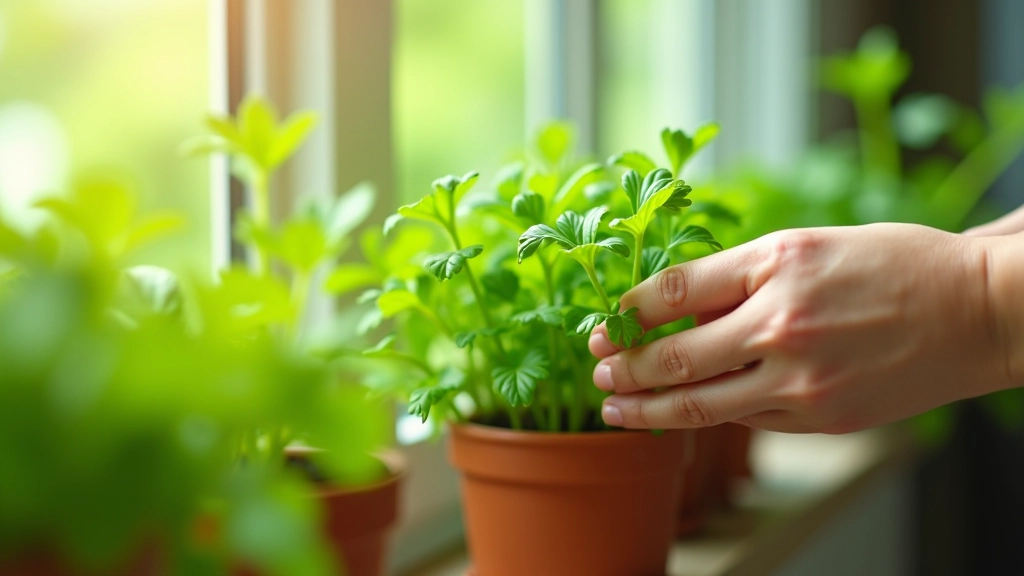
The simplest way to harvest herbs is pinching off the top growth with your fingers. Here's what you're doing: you're removing the stem tip, which tells the plant to branch out sideways rather than growing straight up. It's that straightforward.
Use your thumb and index finger to pinch off about a quarter to half inch of new growth. Don't overthink it — the tender tips are what you want anyway. They've got the best flavor and the softest texture. After you pinch, the plant will develop two new stems where one existed before. That's the magic happening.
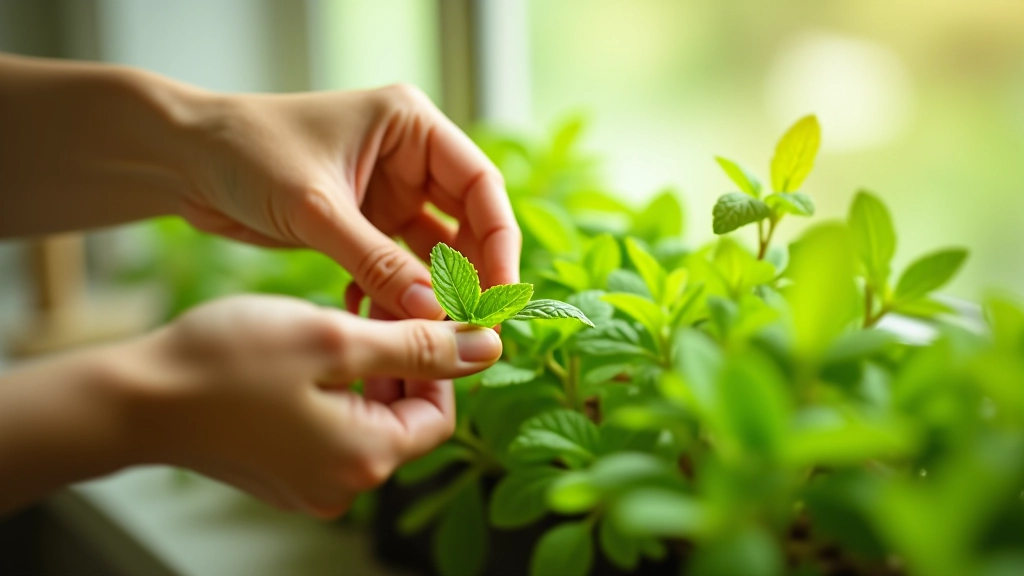
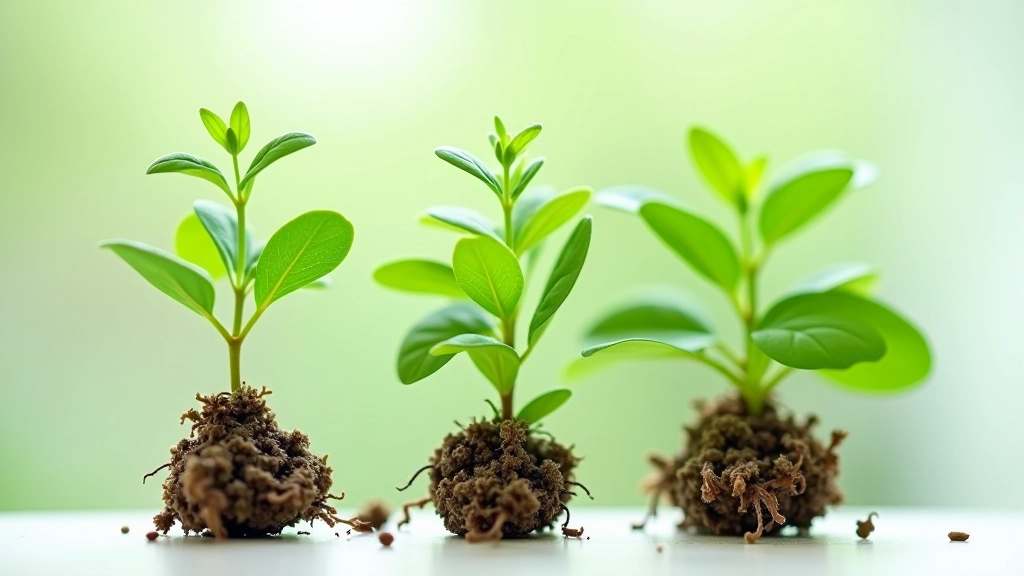
Don't harvest too early. If you pick from a plant that's still establishing itself, you'll stunt its growth. Give your herb seedlings or young plants about 6-8 weeks to develop a strong root system and a decent amount of foliage before you start taking leaves. Once the plant has at least 6-8 true leaves, you're good to go.
The best time of day? Morning, after the dew dries but before the sun gets intense. Your herbs will be most hydrated and flavorful then. Plus, you're not stressing the plant when it's already dealing with heat stress in the afternoon. You'll notice the difference in taste — morning-harvested herbs have better flavor depth.
This guide provides general information about herb harvesting techniques based on common growing practices. Every plant and environment is different — factors like light, humidity, temperature, and your specific location (Riga's climate, for instance) will affect how your herbs respond. These techniques work for most indoor windowsill herb gardens, but you'll learn what works best for your setup through observation and small adjustments.
Pruning is different from harvesting — you're not just picking leaves for dinner, you're reshaping the plant to be healthier and more productive long-term. If your basil's getting tall and leggy, it's time to prune more aggressively. Cut back to about half the plant's height, removing growth all the way down the stem.
This sounds drastic, but it works. Within two weeks, you'll have a bushier plant with way more leaf-producing stems. The key is cutting just above a leaf node — that's where the new growth will emerge from. Never leave bare stems with nothing below them.
Remove dead or yellowing leaves while you're at it. Those aren't helping the plant, and they can attract pests or disease. You'll also want to pinch off any flower buds that appear on herbs like basil or mint — flowers taste bitter, and once the plant starts flowering, it shifts energy away from leaf production.
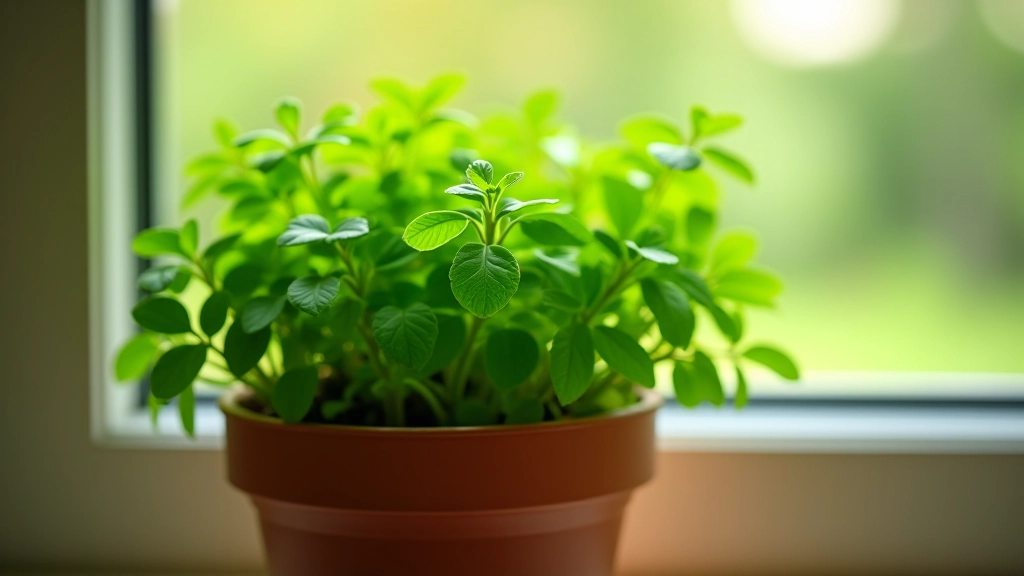
Once you get the rhythm down, your herbs can produce for months — even a year or more. The secret is consistent, gentle harvesting combined with good growing conditions. You're creating a cycle: harvest → plant responds by growing → harvest again → more growth.
Don't let your herbs get too mature or woody. If they do, they're harder to harvest and less productive. Stay on top of pinching and light pruning, and you'll have tender new growth available almost constantly. Most windowsill herbs in a decent setup will give you harvestable growth every 2-3 weeks, sometimes faster during summer months.
Editorial Team
Written by the Indoor Herb Editorial Team, focused on practical windowsill herb growing guides and honest kit reviews.
Explore more guides to grow your herb garden knowledge
Drainage holes matter more than you'd think. Here's what soil composition works best for different herbs.
Read more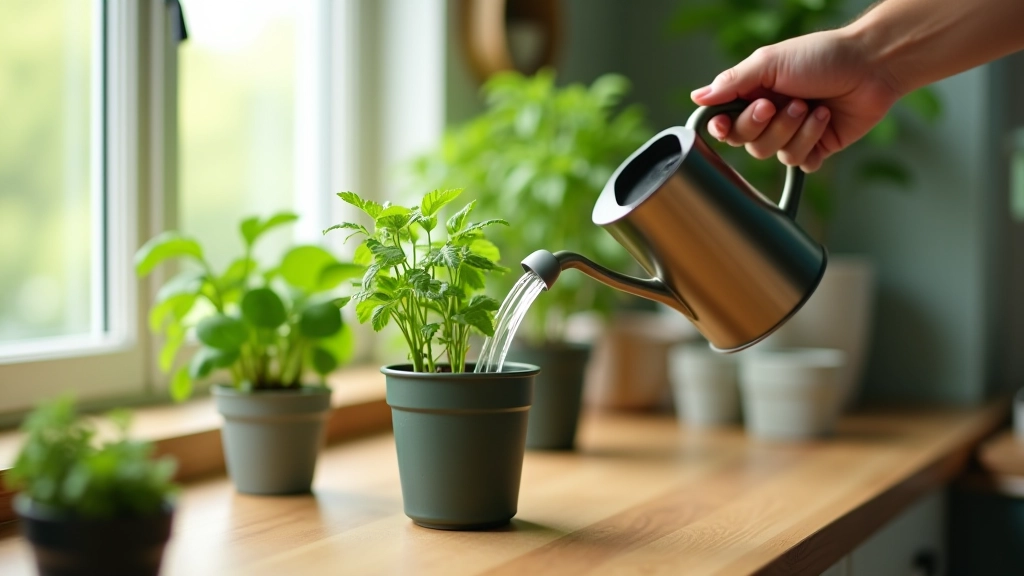
Most indoor herbs die from overwatering, not underwatering. We'll walk you through the right approach.
Read more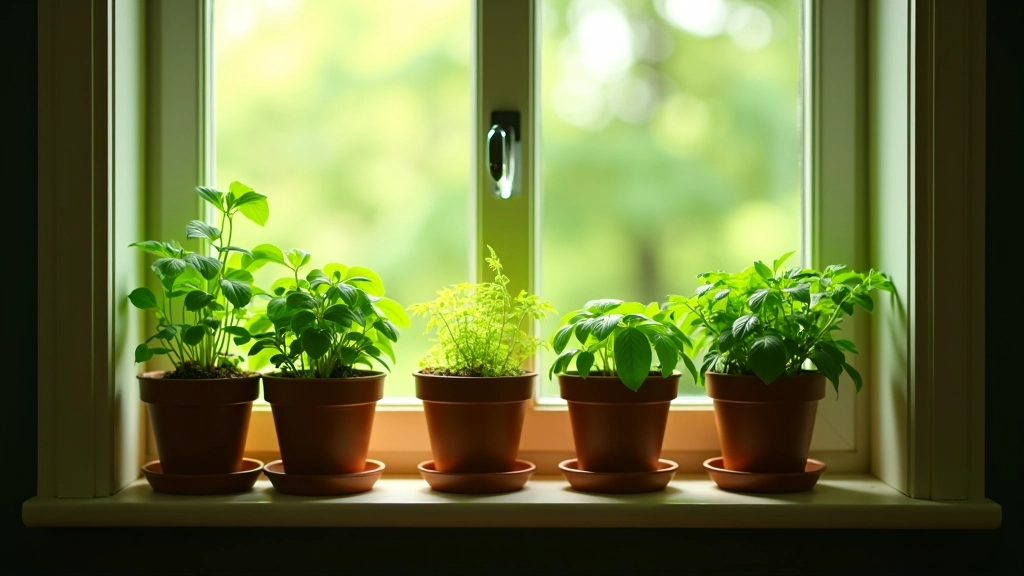
Not all windows get full sun. Parsley, mint, and chives handle partial light better than others.
Read more