
Best Herbs for Low-Light Windowsills in Riga
Not all windows get full sun. Parsley, mint, and chives handle partial light better than others. See which herbs thrive with 3–4 hours of light daily.
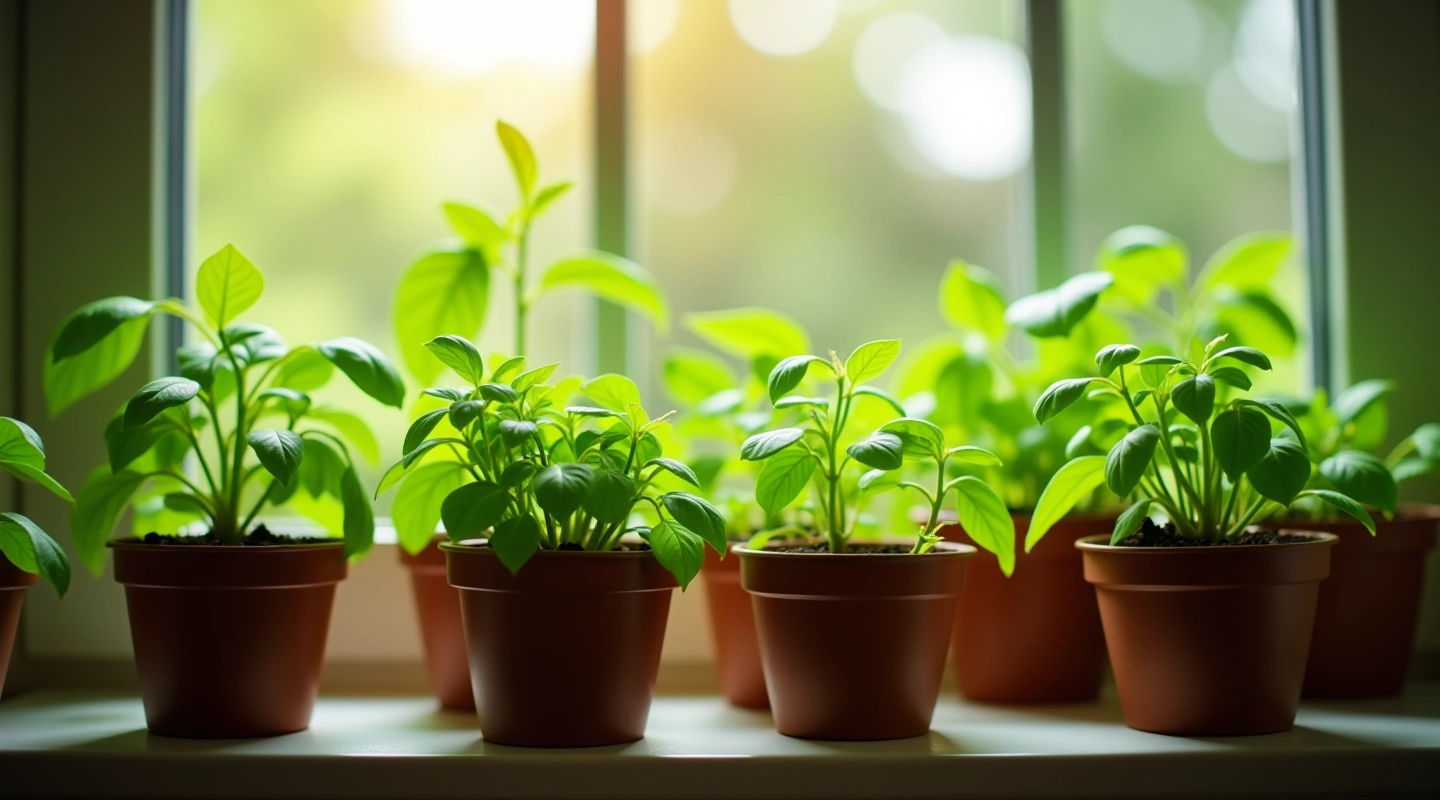
Why Low-Light Herbs Matter in Riga
Riga's winters are long and gray. You're not getting eight hours of direct sun from November through February—that's just reality. Most indoor gardeners assume all herbs need bright light, then get frustrated when their basil turns pale and spindly.
But here's the thing: not every herb demands full sun. Some actually prefer partial shade and do better with 3–4 hours of indirect light. That's good news if your windowsills face north or get blocked by neighboring buildings. You don't need a grow light setup (though they help). You just need to pick the right plants.
We'll walk you through the herbs that genuinely handle low light, what "low light" actually means in practical terms, and how to tell if your windowsill is suitable.
Understanding Low-Light Conditions
Let's define what we're actually talking about. "Low light" doesn't mean darkness. It means your windowsill gets indirect sunlight—maybe filtered through a curtain, or it faces north and only gets sun early morning or late afternoon.
In practical Riga terms: if you can read a book comfortably without turning on a lamp during daylight, that's low light. Not bright, but workable. Most standard indoor locations (away from direct window exposure) fall into this category.
Herbs that need "full sun" typically want 6–8 hours of direct light daily. Basil, oregano, thyme—they'll get leggy and weak without it. But shade-tolerant herbs? They're different. They evolved in forest understories where dappled light was the norm. Three to four hours of good indirect light is enough to keep them healthy and productive.
The key difference: shade-tolerant herbs grow slower than sun-loving varieties. That's fine. They'll still produce leaves you can harvest. You're trading speed for reliability.
Educational Information
This guide is informational and based on general gardening practices. Results depend on your specific conditions, plant variety, and care routine. We recommend experimenting with your setup and observing how plants respond. Every windowsill is different.
The Five Best Low-Light Herbs
These five handle 3–4 hours of light without complaint. They're reliable, flavorful, and perfect for Riga windowsills.
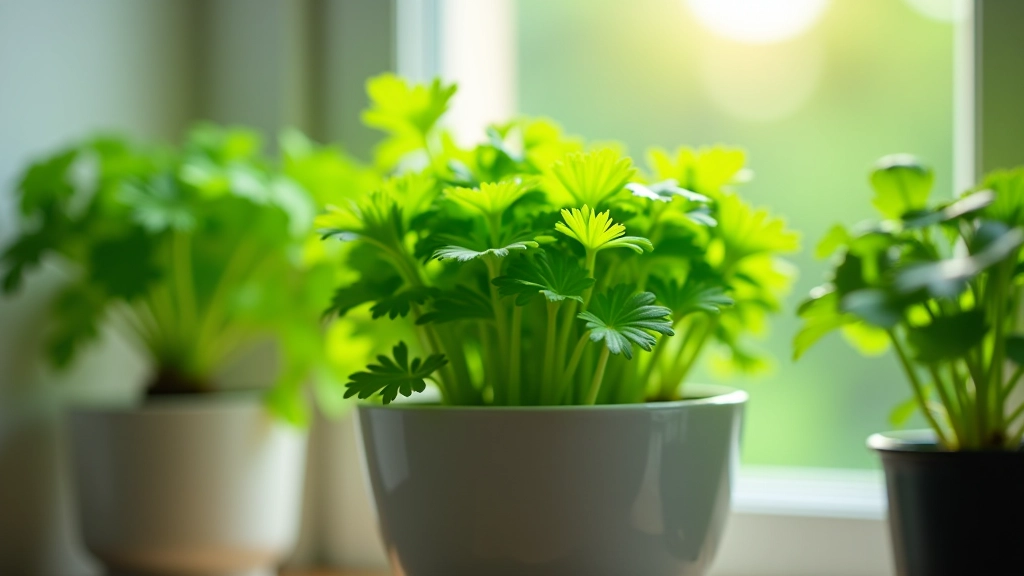
Parsley (Flat or Curly)
Probably the most forgiving. It'll grow steadily in partial shade. Harvest outer leaves first, and it'll keep producing for months. Takes about 10–14 days to sprout from seed.
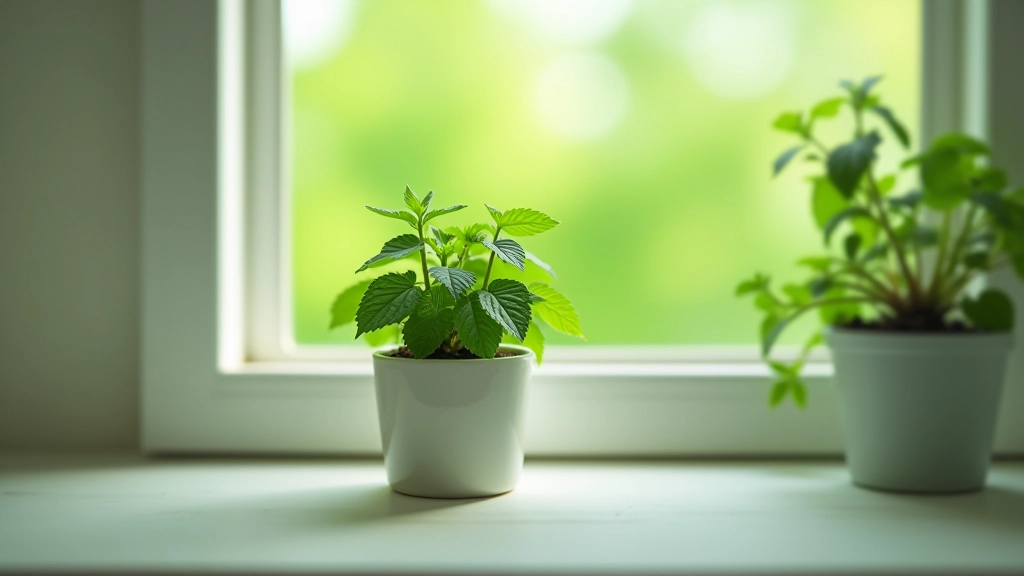
Mint
Almost impossible to kill. Thrives in low light and actually prefers slightly less intense sun than basil. Start from a cutting or young plant—much faster than seed. Be prepared: it grows aggressively.
Chives
Slow to germinate from seed, but worth the wait. Once established, it's nearly bulletproof. Harvest from the outside in, and you'll get continuous growth. The purple flowers are edible and pretty.
Cilantro
Doesn't mind shade and actually bolts slower in lower light. That means you get more usable leaf time before it goes to seed. Keep it consistently moist (not soggy).
Oregano
More forgiving than thyme. It'll handle 3–4 hours and still produce flavorful leaves. Slightly drought-tolerant, so don't overwater. Grows slowly but steadily.
Practical Tips for Low-Light Growing
Even with shade-tolerant herbs, a few adjustments make a real difference. You're not fighting against the light—you're just working with less of it.
Position matters
Put pots as close to the window as possible. Even a foot closer makes a noticeable difference in light intensity. If your window has a sill, use it.
Rotate regularly
Turn pots a quarter turn every 3–4 days so all sides get equal light exposure. Otherwise, one side grows leggy while the other stays compact.
Water less often
With lower light, plants use water slower. Check soil moisture before watering. Overwatering in low-light conditions causes root rot faster than in bright conditions.
Consider supplemental light (optional)
A cheap LED grow light (10–15 watts) positioned 6 inches above plants can speed up growth significantly. Even 4–6 hours of supplemental light helps. But it's optional—these herbs will survive without it.
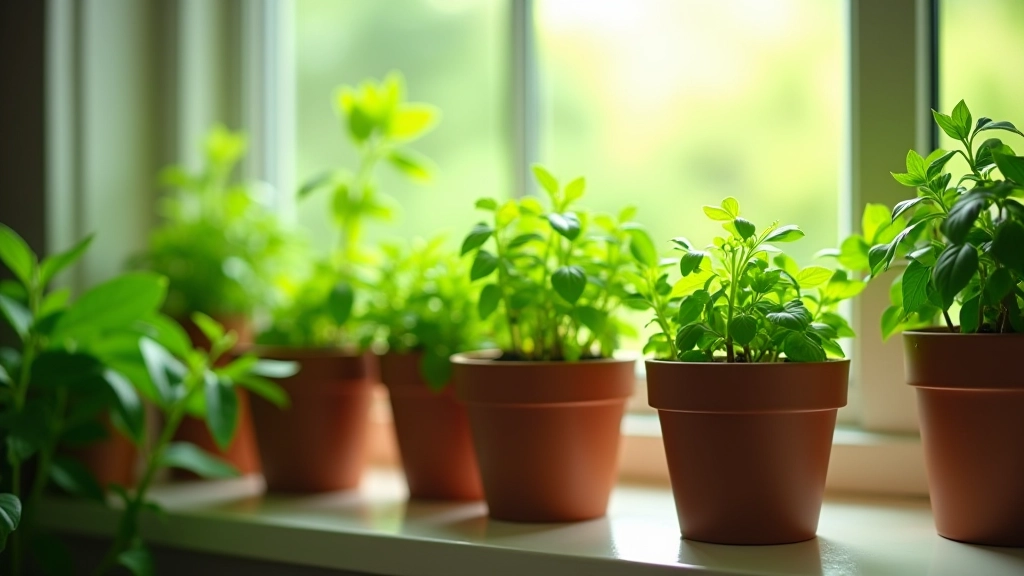
Harvesting Keeps Plants Productive
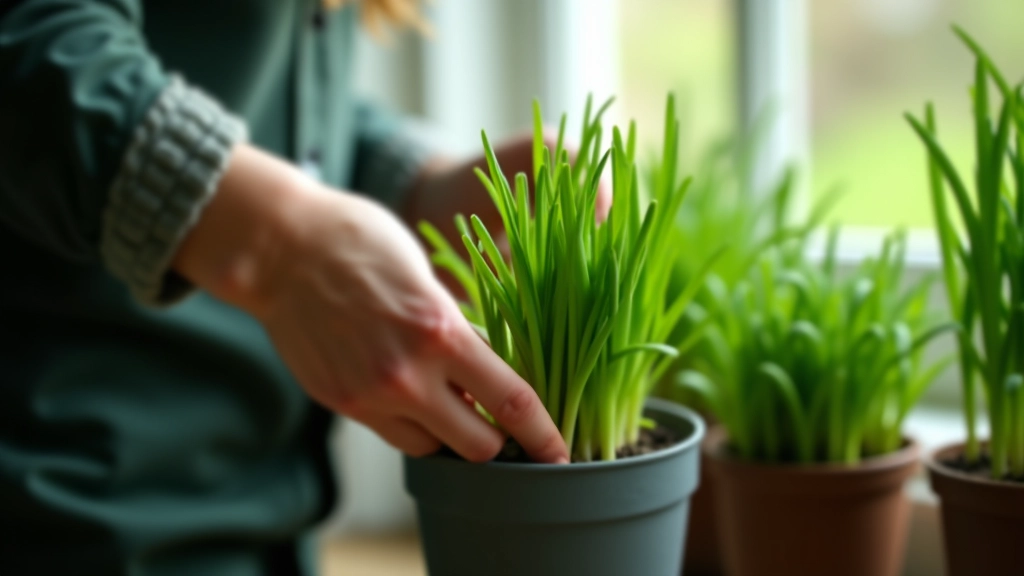
Here's what surprises most new growers: you should harvest these herbs regularly. It's not just okay—it's essential. Picking leaves encourages bushier growth and prevents plants from getting tall and sparse.
For parsley and cilantro, pinch off outer leaves first. Leave the center growth intact. For mint and oregano, you can be more aggressive—cut whole stems back to a leaf node. For chives, snip from the outside of the plant moving inward.
Start harvesting once plants have at least 4–6 leaves. Small harvests (a few leaves per week) won't stress the plant. It'll actually respond by growing back fuller.
Don't wait until you "need" herbs to harvest. Regular, gentle harvesting is part of maintenance. It keeps your plants healthy and gives you fresh leaves consistently—which is the whole point.
Starting Your Low-Light Herb Garden
Growing herbs in low light isn't a compromise. It's just a different approach. You're trading a little speed for reliability and ease—which is a fair trade, especially in Riga's climate.
Pick one or two herbs from the list above. Start with a young plant (faster results) or quality seeds. Position pots close to your window, water carefully, and harvest regularly. Within a few weeks, you'll have fresh herbs for cooking.
The best herb garden is the one you'll actually use. If your north-facing windowsill is what you've got, these five herbs will thrive there. You don't need perfect conditions. You just need the right plants and a little attention.
Indoor Herb Editorial Team
Editorial Team
Written by the Indoor Herb Editorial Team, focused on practical windowsill herb growing guides and honest kit reviews.
Related Articles
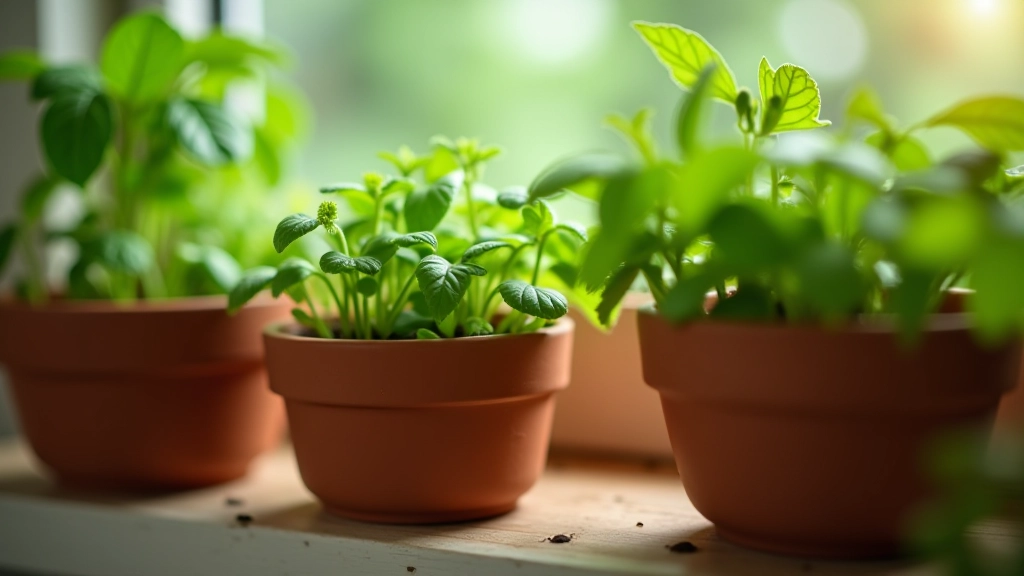
Choosing the Right Container and Soil Mix
Drainage holes matter more than you'd think. Here's what soil composition works best for windowsill herbs.
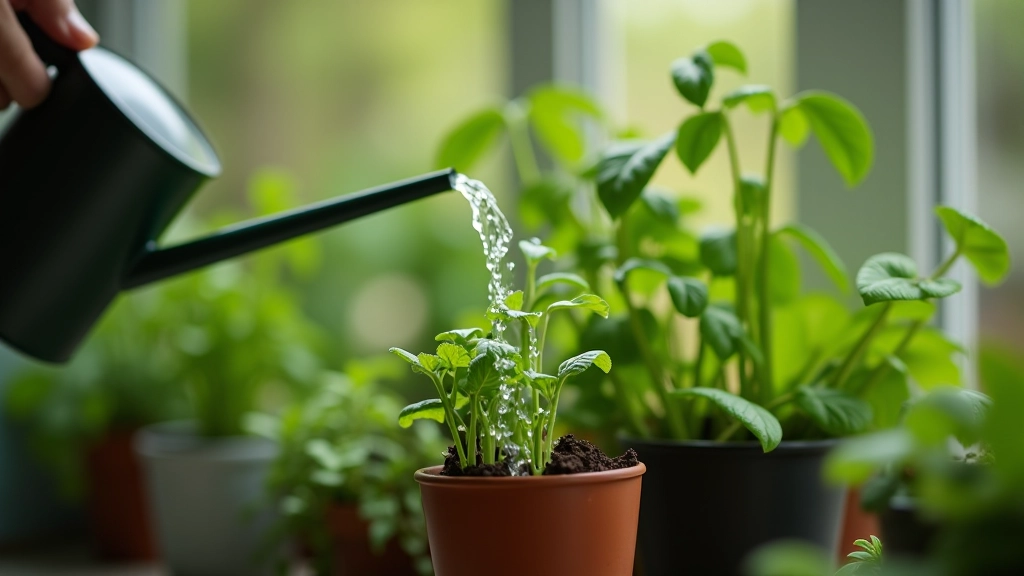
Watering Schedule and Common Mistakes
Most indoor herbs die from overwatering, not underwatering. We'll walk you through the right approach.
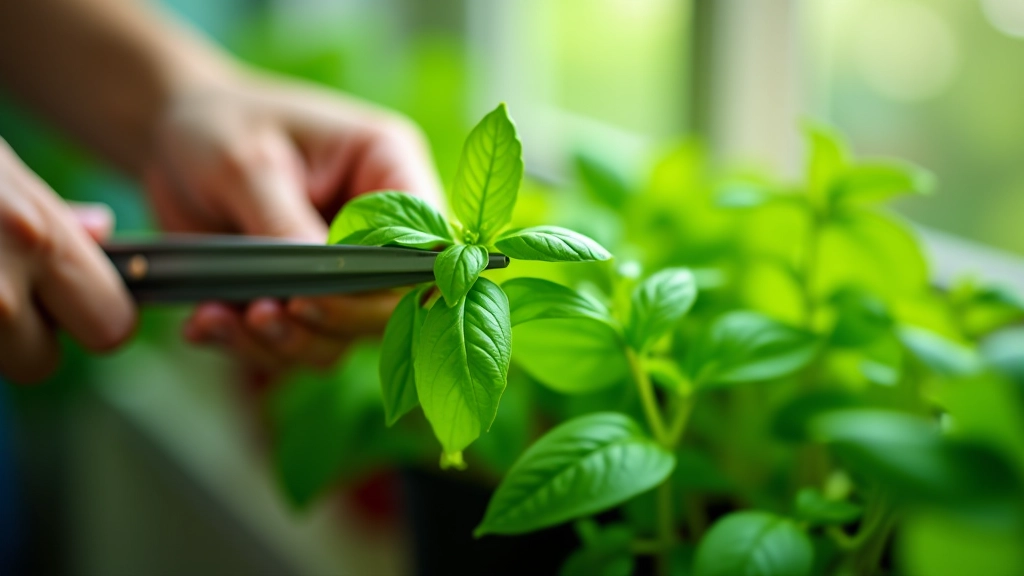
Harvesting and Pruning for Continuous Growth
Picking leaves correctly encourages bushier plants. Learn when to harvest and how much you can take safely.