
Watering Schedule and Common Mistakes
Most indoor herbs die from overwatering, not underwatering. We'll walk you through checking soil moisture and avoiding the biggest beginner errors.
Why Watering Is Trickier Than It Sounds
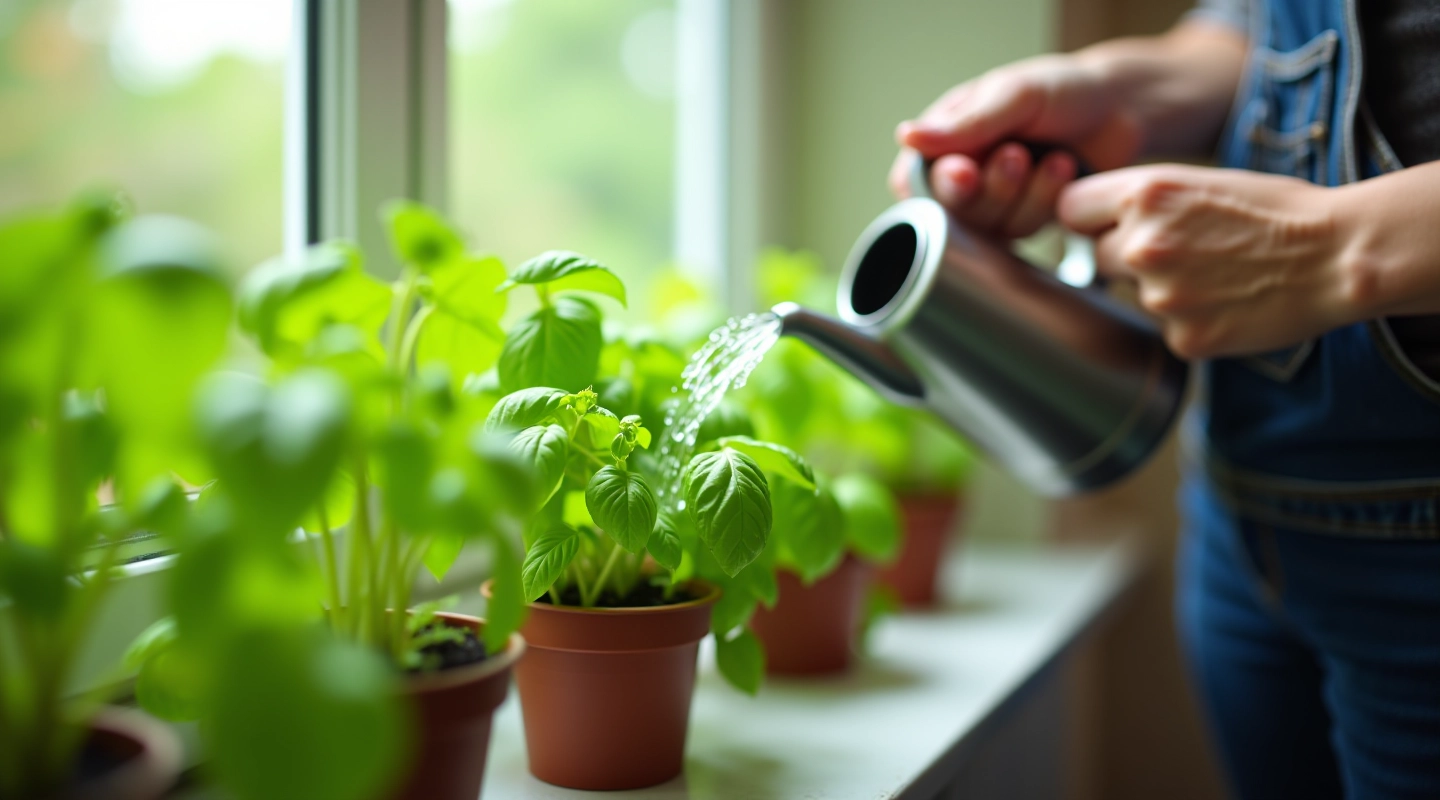
Here's the thing about indoor herbs — they're forgiving with most things, but water? That's where most people mess up. You'd think more water means healthier plants. It doesn't work that way. Overwatering kills roots faster than anything else, and by the time you notice the drooping leaves, it's often too late.
The good news is that once you understand what your herbs actually need, watering becomes straightforward. It's not about following a rigid schedule. It's about learning to read your plant and your soil.
The Overwatering Problem
Around 80% of indoor herb deaths come from too much water. Wet soil prevents roots from breathing, causing root rot. Your herbs wilt not because they're thirsty, but because they're drowning.
The Finger Test Method
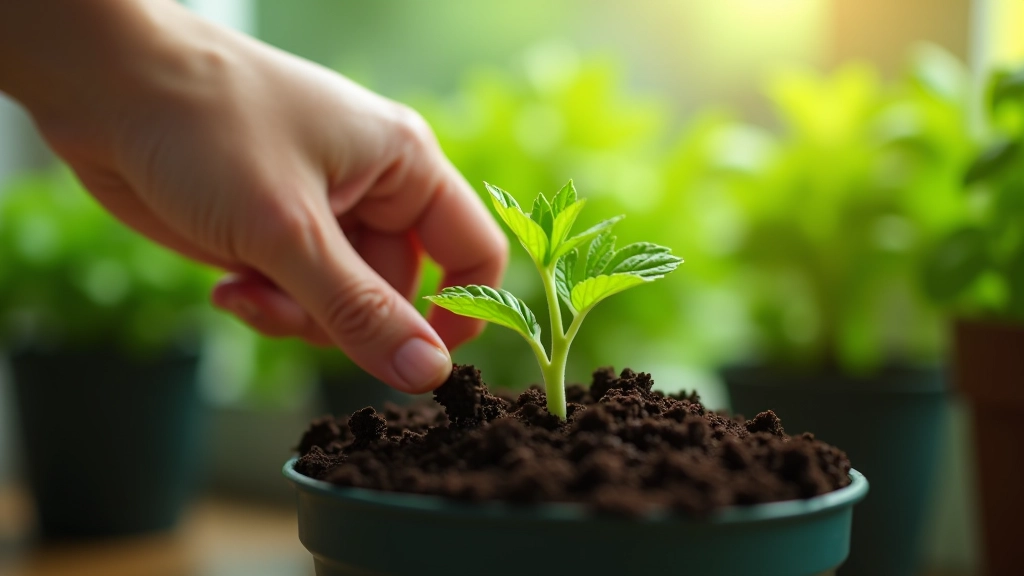
Before you even think about watering, stick your finger into the soil. Push it down about one inch — roughly to your first knuckle. That's your baseline check. If the soil feels moist at that depth, your herbs don't need water yet. If it feels dry, you've got the green light to water.
Why this works: The top of the soil dries out quickly from air exposure, but deeper down tells you what's actually happening with the roots. By checking one inch down, you're getting an honest picture of soil moisture where it matters.
- Wet soil = wait
- Moist soil = wait
- Dry soil = water now
Important Note on Plant Care
This guide provides educational information about indoor herb watering techniques. Plant care needs vary based on specific species, climate conditions, pot size, and soil composition. Observe your plants closely and adjust watering based on their individual responses. If plants show persistent problems despite proper watering, consult local gardening resources or a horticultural specialist.
Frequency Depends on Your Setup
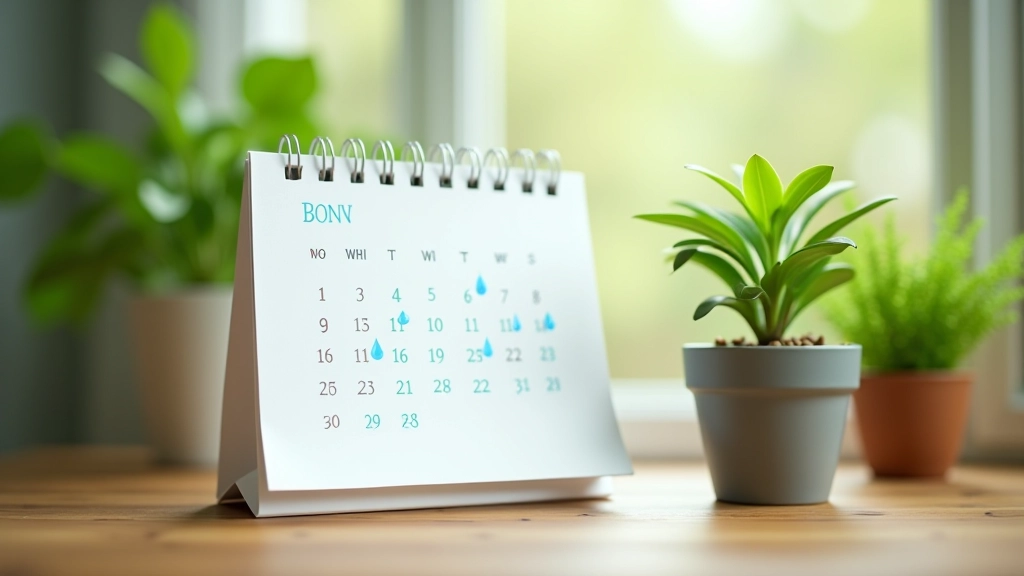
There's no magic number like "water every 3 days." It depends on so many variables — your home's humidity, how much light your herbs get, pot size, and even the season. During winter when growth slows, herbs need less water. Summer when everything's growing faster? They'll dry out quicker.
What you'll likely find: most windowsill herbs need water every 5-10 days once they're established. But that's just a starting point. Some weeks you might water twice. Other weeks once. You're looking for consistency in soil moisture, not a rigid schedule.
Keep notes if you're new to this. Write down when you water and how the plant responds. After a few weeks, you'll develop an intuition for what your specific herbs need.
Common Mistakes to Avoid
Watering on a Set Schedule
Treating watering like a weekly chore doesn't work. Your herbs don't care what day it is. They care whether the soil is actually dry. Skip the calendar. Use the finger test instead.
Pouring Water Until It Drains
Just because water comes out the bottom doesn't mean you watered correctly. You might've poured too much. Water slowly until the soil is moist throughout, not soaked. Stop before excess runs out the drain.
Ignoring Pot Drainage
If your pot doesn't have drainage holes, water sits at the bottom. That's a recipe for root rot. Always use pots with holes. If you love a pot without drainage, use it as a decorative outer pot and keep your herb in a draining pot inside.
Using Cold Water in Winter
Cold water shocks the roots. Let tap water sit for 30 minutes before watering, especially in winter. Room-temperature water is gentler and closer to what plants experience naturally outdoors.
Tools That Actually Help
You don't need much. A simple watering can is fine — something with a narrow spout so you can water at soil level without splashing the leaves. Your finger is your best tool for checking moisture. But a few extras can make things easier if you're serious about your herbs.
Soil Moisture Meter
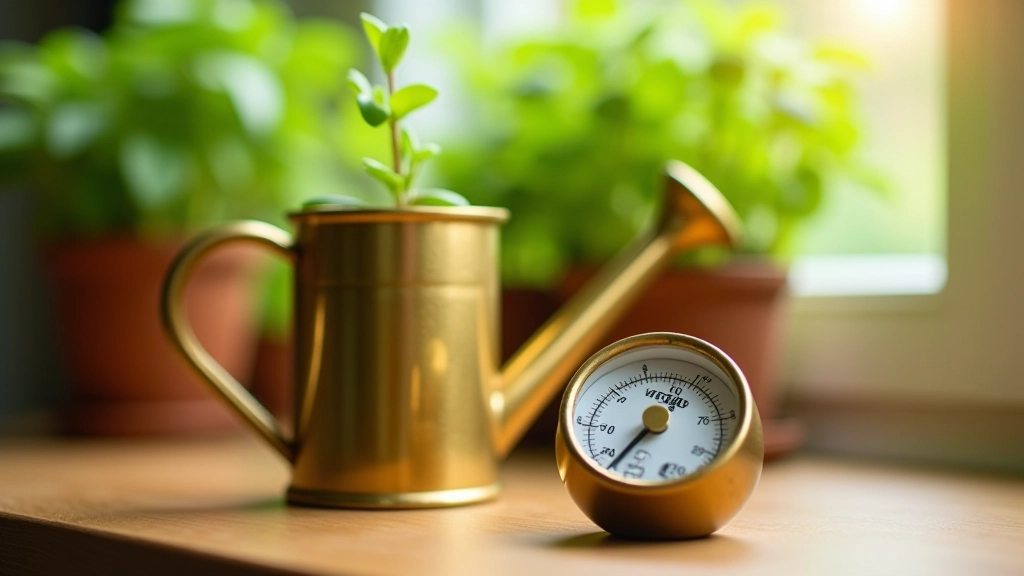
If you want to eliminate guesswork, a cheap moisture meter takes the decision-making out of it. Stick it in the soil and it tells you if it's dry, moist, or wet. Not essential, but helpful when you're learning.
Small Watering Can with Spout
A narrow-spout can lets you target the soil without wetting leaves. Wet leaves can promote fungal issues. Look for something with a 1-2 liter capacity — enough to water several pots without refilling constantly.
Saucer or Tray
Protects your windowsill from water damage. Lets excess water drain away from the pot without pooling underneath. Make sure the pot doesn't sit in standing water though — that defeats the purpose of drainage.
Seasonal Adjustments Matter
Your watering routine should shift with the seasons. It's not complicated, but ignoring seasonal changes trips up a lot of growers.
Spring & Summer
Plants grow faster. Soil dries out quicker. You'll probably water more frequently — maybe every 4-6 days. Check soil more often since warm temperatures speed up evaporation.
Fall & Winter
Growth slows dramatically. Soil stays moist longer. You might water only every 10-14 days. Indoor heating dries air out, but plants need less water overall. Don't fall into the trap of watering "just in case."
The Takeaway
Watering well comes down to paying attention. Use the finger test. Adjust for seasons. Ensure your pots drain. Don't overthink it — your herbs will give you feedback. Drooping after watering? You're overwatering. Crispy leaves? Maybe they're dry or humidity is low. Either way, you'll learn quickly once you start observing.
The first month with indoor herbs is a learning curve. After that, it becomes automatic. You'll develop a feel for what your plants need, and watering stops being a mystery.
Ready to Master Your Indoor Herb Garden?
Explore our complete guides on container selection, light requirements, and harvesting techniques.
Browse All Guides
Author
Indoor Herb Editorial Team
Editorial Team
Written by the Indoor Herb Editorial Team, focused on practical windowsill herb growing guides and honest kit reviews.
Related Articles
Choosing the Right Container and Soil Mix
Drainage holes matter more than you'd think. Here's what soil composition works best for windowsill herbs.
Best Herbs for Low-Light Windowsills in Riga
Not all windows get full sun. Parsley, mint, and chives handle partial light better than most.
Harvesting and Pruning for Continuous Growth
Picking leaves correctly encourages bushier plants. Learn when to harvest, how much to take, and why timing matters.